
Types of Stainless Steel 304 for Industrial and Commercial Use
June 2, 2026
Share:
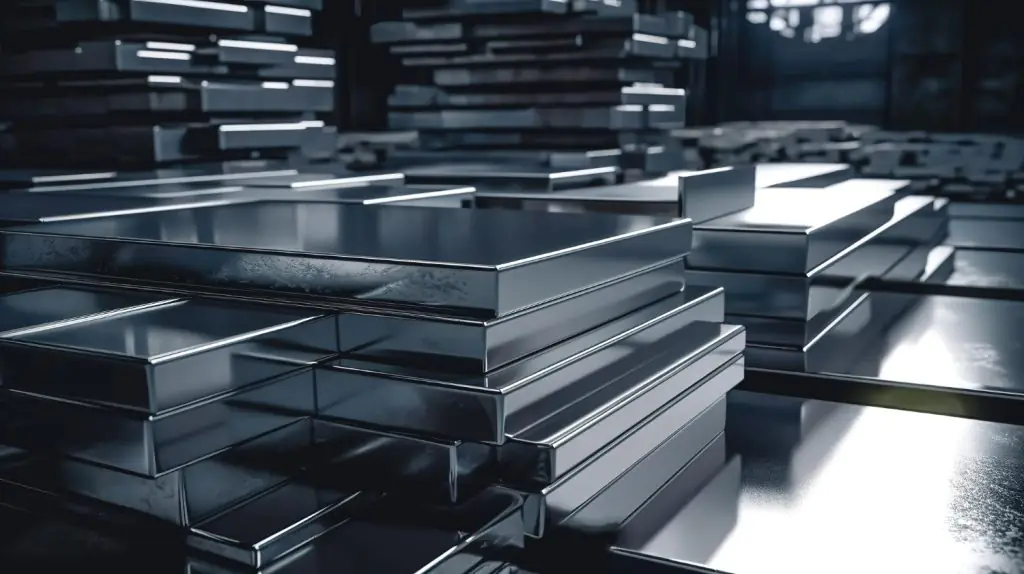
Stainless steel is everywhere, shining on skyscraper facades, holding up bridges, or sitting quietly in your kitchen sink. But not all stainless steel is created equal. Among the many alloys, types of stainless steel 304, including standard 304, 304L, and 304H, stand out as the versatile all-rounder. From industrial machinery to commercial kitchen equipment, 304 has earned its reputation for strength, durability, and corrosion resistance.
In this blog, we will dive into the composition, properties, and real-world applications of all 304 grades, making it easy for engineers, architects, and designers to choose the right stainless steel for their projects.
Understanding Type 304 Stainless Steel
Type 304 is part of the austenitic stainless steel family, also known as AISI 304 or UNS S30400. It’s the backbone of modern stainless steel, loved for its balance of strength, corrosion resistance, and versatility.
Chemical Composition of Type 304 Stainless Steel
The magic of 304 lies in its alloy mix:
- Chromium: 18% gives corrosion resistance
- Nickel: 8% improves formability and toughness
- Carbon: ≤ 0.08% keeps it strong and easy to weld
- Small amounts of manganese, silicon, and phosphorus balance the alloy
This mix creates a material that’s tough, flexible, and long-lasting, perfect for industrial and commercial applications.
Physical and Mechanical Properties of Type 304 Stainless Steel
These properties make 304 suitable for pressure vessels, kitchen equipment, and structural components, combining strength with excellent formability.
- Density: 8.0 g/cm³
- Melting Point: 1400–1450°C
- Tensile Strength: ~515 MPa
- Yield Strength: ~205 MPa
- Elongation: 40–45%
Main Variants of Stainless Steel 304
304 isn’t one-size-fits-all. The types of stainless steel 304 differ mainly in carbon content, which influences weldability, high-temperature strength, and corrosion resistance.
Type 304L Stainless Steel (Low Carbon Variant)
304L has lower carbon content (≤ 0.03%), which makes it ideal for welding. It resists intergranular corrosion and doesn’t need post-weld heat treatment in most cases. Common uses: chemical plants, food processing, and any welded equipment.
Type 304H Stainless Steel (High Carbon Variant)
304H has higher carbon content (0.04–0.10%), giving it better strength at high temperatures. Perfect for boilers, heat exchangers, and applications above 500°C where thermal stability is key.
Standard 304 vs 304L vs 304H Comparison
| Feature | 304 | 304L | 304H |
| Carbon Content | ≤ 0.08% | ≤ 0.03% | 0.04–0.10% |
| Weldability | Good | Excellent | Moderate |
| Corrosion Resistance | Excellent | Excellent | Excellent |
| High-Temperature Strength | Moderate | Moderate | High |
| Ideal Use | General Fabrication | Welded Equipment | Heat-Resistant Systems |
Properties That Define Stainless Steel 304 Grades
Corrosion and Oxidation Resistance
The chromium content in 304 forms a protective oxide layer that prevents rust, pitting, and atmospheric corrosion. It’s perfect for kitchens, chemical plants, and outdoor installations.
Heat Resistance and Temperature Performance
Standard 304 and 304L: up to 870°C intermittently and 925°C continuously
304H: handles higher temperatures and thermal stress
Fabrication, Forming, and Machinability
304 is easy to bend, roll, or cold-work. Annealing restores ductility, and its formability makes it suitable for sinks, industrial tanks, and complex shapes.
Welding and Heat Treatment of 304 Grades
- 304L: best for welding, avoids carbide precipitation
- 304: may require post-weld annealing
- 304H: ideal for high-temperature applications
Applications of Type 304 Stainless Steel in Industry
Industrial Applications
304 shines in chemical processing, oil refineries, pressure vessels, and storage tanks. Its corrosion resistance ensures long-term durability, even in harsh environments.
Commercial and Food-Grade Applications
In kitchens and food processing, 304 is a hygiene hero. It’s used in utensils, sinks, restaurant equipment, and food-grade machinery due to its smooth, easy-to-clean surface.
Architectural and Structural Uses
From railings and facades to decorative claddings, 304 retains both shine and strength. It’s functional, durable, and visually appealing for modern construction.
Pharmaceutical and Medical Applications
From surgical instruments to pharmaceutical reactors and storage vessels, 304 stainless steel meets the strict hygiene and sterilisation demands of medical and GMP-compliant environments. Its non-reactive surface prevents contamination and withstands repeated cleaning cycles without degrading.
Automotive Applications
304 is used in automotive trim, decorative panels, and structural components where corrosion resistance and surface finish matter. Its formability makes it suitable for complex shaped parts exposed to moisture, road salts, and under-hood conditions.
Textile and Paper Industry Applications
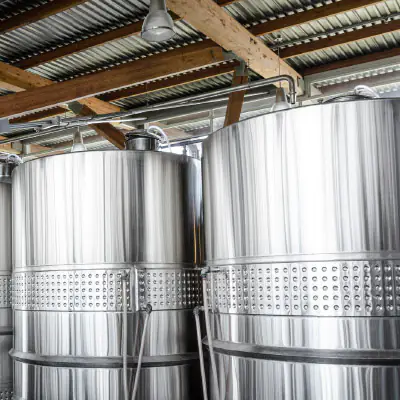
In textile dyeing and paper processing, 304 handles sustained exposure to acids, alkalis, and high-temperature fluids. It is the go-to material for tanks, rollers, and processing equipment where chemical resistance directly affects output quality.
Factors to Consider When Selecting Type 304 Stainless Steel
Choosing the right type of stainless steel 304 requires evaluating environmental conditions, fabrication needs, and long-term maintenance requirements
Environmental and Corrosive Conditions
Consider exposure: humidity, saltwater, or chemicals? 304 works well in most environments. For extreme chloride-rich settings, grades like 316 may be better.
Fabrication and Maintenance Requirements
Regular cleaning and maintenance help preserve both performance and appearance.
304L: easier welding
304H: high-temperature strength
Choose Wisely Between the 304 Stainless Steel Types for Selected Applications:
Type 304 stainless steel and its variants, 304L and 304H, offer unmatched versatility, durability, and corrosion resistance, making them ideal for industrial, commercial, and architectural applications across diverse environments.
| Jindal Stainless manufactures all three variants, 304, 304L, and 304H, to ASTM A240, IS 6911, and EN 10088 standards, supplied as sheets, coils, plates, and precision-slit strips. The Jindal Stainless 300 Series datasheet provides full compositional and mechanical data for each grade.”
To confirm the right 304 variant for your application or to request material certification data, contact Jindal Stainless’s technical team / explore our 300 Series product range. |
Share:


