
High Alloy Stainless Steels: Grades and Their Unique Properties
June 23, 2026
Share:
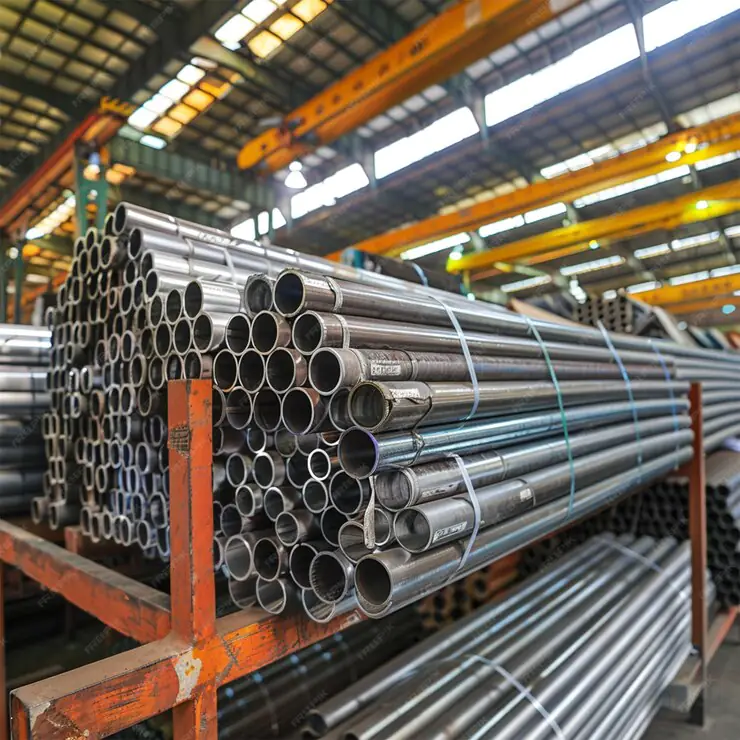
High alloy stainless steels are among the top choices when it comes to materials that combine durability, versatility, and high performance. These materials are widely used in industries that demand the best in strength, corrosion resistance, and overall material performance. In this blog, we’ll dive into the different high alloy stainless steel grades, their unique properties, and how they play a crucial role in various applications.
What is High Alloy Stainless Steel?
High alloy stainless steel is a specific type of stainless steel that contains a higher percentage of alloying elements like nickel, molybdenum, and chromium compared to regular stainless steel. These elements enhance the material’s overall performance, making it suitable for challenging environments where regular steel might fail. The primary advantage of high alloy stainless steel material is its superior resistance to corrosion, wear, and high temperatures, which makes it a go-to option in various demanding industries.
The high alloy stainless steel composition varies depending on the grade. The higher the alloy content, the better the material can withstand harsh conditions such as extreme heat or exposure to chemicals and moisture. Let’s explore the various grades of high-alloy stainless steel and the characteristics that set them apart.
Grades of High Alloy Stainless Steel

High alloy stainless steels can be divided into several grades, each suited for specific applications. These grades are typically classified based on their microstructure, and the three main types are austenitic, martensitic, and duplex.
Austenitic High Alloy Stainless Steel Grades
Austenitic stainless steels are the most commonly used high alloy grades. These stainless steels are known for their excellent corrosion resistance and high workability. They contain a significant amount of nickel, which helps form a non-magnetic structure, making them ideal for applications where non-magnetism is essential. Some common examples include 304 and 316 stainless steel.
The primary advantage of austenitic stainless steels is their ductility and formability, meaning they can be easily shaped and welded into various forms. This makes them perfect for a wide range of applications, including kitchen equipment, chemical processing, and pharmaceuticals.
Martensitic High Alloy Stainless Steel Grades
Martensitic high alloy stainless steels are known for their strength and hardness, making them ideal for applications that require high tensile strength and wear resistance. These stainless steels typically contain lower amounts of nickel compared to austenitic stainless steel, and they can be heat-treated to increase hardness.
Some examples of martensitic high alloy stainless steel grades include 410 and 420. These stainless steels are commonly used in the manufacturing of cutting tools, surgical instruments, and high-strength fasteners.
Martensitic stainless steels exhibit good corrosion resistance, although not as high as austenitic grades. Their main advantage is their ability to maintain excellent strength even in extreme conditions.
Duplex High Alloy Stainless Steel Grades
Duplex stainless steels combine the best features of both austenitic and martensitic stainless steels, providing excellent strength and improved corrosion resistance. These alloys are characterised by a two-phase microstructure, where austenite and ferrite coexist.
Common grades of duplex stainless steels include 2205 and 2507. These materials are highly resistant to stress corrosion cracking, making them perfect for environments that involve chloride exposure. Duplex stainless steels are commonly used in oil and gas, marine applications, and chemical plants, where resistance to harsh environments is essential.
Properties of High Alloy Stainless Steels
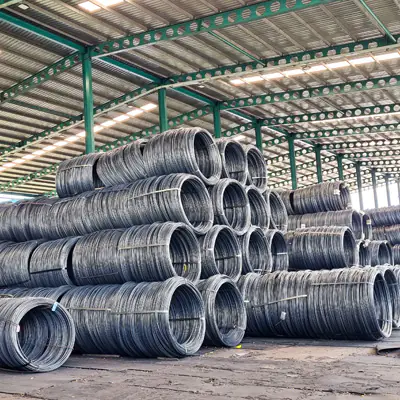
Strength and Hardness
One of the most notable properties of high alloy stainless steels is their superior strength and hardness. The addition of alloying elements such as nickel and molybdenum enhances the material’s ability to withstand mechanical stress and extreme temperatures. Martensitic grades, for example, are particularly known for their excellent hardness, making them ideal for applications like cutting tools and bearings.
Corrosion Resistance
High alloy stainless steels are prized for their corrosion resistance. The high levels of chromium in these stainless steels form a passive oxide layer on the surface that protects against rust and corrosion. Austenitic grades, especially 316 stainless steel, are well-known for their exceptional ability to resist corrosion in both chloride and sulfuric acid environments, which is why they are often used in marine, chemical, and food processing industries.
Application-Specific Properties
Different high alloy stainless steel grades offer tailored properties to suit specific applications. For example, austenitic stainless steels are known for their high formability and resistance to corrosion, while martensitic stainless steels are designed for strength and hardness, and duplex grades provide a combination of both properties, making them ideal for challenging conditions. The high alloy stainless steel composition is engineered to meet specific industry needs, whether it be for high-temperature resistance or high-wear conditions.
The Versatility of High Alloy Stainless Steel

Thanks to their unique properties, high alloy stainless steels are found in various industries, from aerospace and automotive to food processing and construction. Their strength, corrosion and heat resistance make them essential in applications where reliability and performance are crucial.
Whether it’s a chemical plant that requires a material resistant to highly acidic environments or a medical device that needs to withstand constant cleaning and sterilisation, the diverse range of high alloy stainless steel grades ensures that there is an ideal material for every application.
High alloy stainless steels offer a wide range of grades and properties, each tailored for specific needs. Whether it’s strength, corrosion resistance, or application-specific characteristics, these materials are crucial for industries that demand performance and reliability. Choosing the right high-alloy stainless steel material ensures that your applications can meet the challenges of the most demanding environments.
Share:


