
Difference Between Stainless Steel and Iron: Which is Better?
June 13, 2026
Share:
Choosing the right material is one of the most important decisions in any construction or engineering project. It directly affects a structure’s strength, lifespan, maintenance needs, and visual appeal. Among the most commonly compared materials are stainless steel and iron, each serving unique purposes, but with notable differences in performance.
While iron has been a foundational material for centuries, its vulnerability to corrosion can limit its use in certain environments. Stainless steel, an alloy primarily made of iron, chromium, and carbon, offers enhanced resistance to rust and wear, making it a more reliable choice for modern applications where durability and aesthetics matter.
Understanding the differences between stainless steel and iron helps professionals in construction, architecture, and design make informed choices, balancing long-term value, safety, and sustainability.

What is Stainless Steel?
Stainless steel is an alloy known for its strength and resistance to corrosion. It is made by mixing iron with other alloying elements, mainly chromium. This chromium content is important because it forms a thin layer on the surface that protects the alloy from corrosion.
One key difference between stainless steel and iron is that while iron can corrode easily when exposed to moisture, stainless steel does not. This makes stainless steel more durable and suitable for many uses.
Stainless steel applications are widespread in industries, including construction, where it is used for beams and frames because of its strength. In consumer products, it is used in cookware like pots and pans due to its resistance to stains and ease of cleaning. Medical equipment also uses stainless steel, as it can be sterilised and won’t react with other materials.

What is Iron?
Iron is a metal that has been used for thousands of years. Historically, it played a crucial role in tools and weapons, helping to shape civilisations. Today, iron is still important in many industries, especially in machinery and tools, where its strength is valuable.
One major drawback of iron is its vulnerability to corrosion. When exposed to moisture, iron can easily corrode, which limits its use in some areas. In contrast, stainless steel resists corrosion due to its chromium content.
Despite its corrosion issues, iron has advantages. It is generally more affordable and easier to produce than stainless steel. This makes it a popular choice for many construction projects and heavy machinery.
Understanding the iron and stainless steel difference is also important. While stainless steel is made from iron along with other elements that improve its properties, such as strength and resistance to corrosion. This is why both iron and stainless steel have their specific roles in various applications.

Why Stainless Steel Is Better Than Iron?
Stainless steel has several key properties that set it apart from iron. One major difference between stainless steel and iron is corrosion resistance. While iron can easily corrode when it is exposed to moisture, stainless steel does not corrode as much because of its chromium content. This makes stainless steel more reliable for many uses.
In terms of strength, stainless steel is generally stronger than regular iron. This strength allows stainless steel to be used in a wide range of applications, from construction to kitchenware. On the other hand, iron has more limited applications because it is more prone to damage and corrosion.
Overall, the difference between stainless steel and iron makes stainless steel a better choice for many consumer products and industrial use.
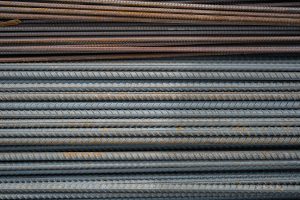

Difference Between Stainless Steel and Iron
Corrosion Resistance:
Stainless steel is highly resistant to corrosion due to its chromium content. This chromium forms a protective layer that keeps moisture from reaching the alloy underneath. Whereas, iron is prone to corrosion if it is not properly protected. Without a protective coating, iron can easily corrode when exposed to water or humidity.
Strength and Durability:
When it comes to strength and durability, stainless steel has the upper hand. It has high tensile strength, meaning it can withstand high pressure without breaking. Additionally, it is more flexible, making it suitable for various applications. On the other hand, iron can be brittle and may break or chip under stress, which limits its use in certain situations.
Weight and Appearance:
Stainless steel is generally lighter than iron, making it easier to handle for different applications. Its sleek, shiny appearance is also appealing, which is why it’s often used in modern designs. On the other hand, iron is heavier and has a rougher texture. This can make it less desirable for certain products, especially those meant for aesthetic purposes. Overall, these differences in weight and appearance help define how each material is used in various industries.
Cost and Maintenance:
When it comes to cost, iron is generally cheaper than stainless steel. However, iron requires regular maintenance to prevent corrosion, such as applying protective coatings or paint. On the other hand, stainless steel has a higher upfront cost, but it pays off over time due to its longevity and minimal maintenance needs. This makes stainless steel a practical choice for many applications.
Environmental Considerations:
In terms of eco-friendliness, stainless steel is often seen as a better option. It is highly recyclable and can be reused without losing its quality. The production of stainless steel typically consumes more energy than iron, but its long life span and recyclability make it more sustainable in the long run. Iron, while also recyclable, can be less efficient in terms of energy consumption during production.
Long-Term Durability:
Long-term durability is another important factor to consider. Stainless steel is known for its strength and corrosion resistance, especially in environments where moisture is present. This makes it suitable for kitchens, bathrooms, and outdoor applications. On the other hand, iron can corrode quickly when exposed to moisture, limiting its lifespan.
Which Material is Better for Your Needs?
The choice between stainless steel and iron depends on your specific needs. Stainless steel offers excellent corrosion resistance, durability, and a sleek appearance, making it ideal for environments prone to moisture and requiring low maintenance. On the other hand, iron is more affordable and easier to produce but needs regular maintenance to prevent corrosion and is more brittle. If you value longevity and low upkeep, stainless steel is the better option. If cost is your main concern and you can manage maintenance, iron may suit your needs well.
Share:


