
Stainless Steel Cookware vs Nonstick: Which Is Better for Everyday Cooking?
June 3, 2026
Share:
Choosing cookware often feels like a small decision, until it starts shaping how you cook every day. Among all available options, the debate over stainless steel cookware vs nonstick cookware continues to dominate modern kitchens.
Both stainless steel and nonstick cookware have their own strengths, limitations, and ideal use cases. But when it comes to daily cooking, which one actually fits better in kitchens?
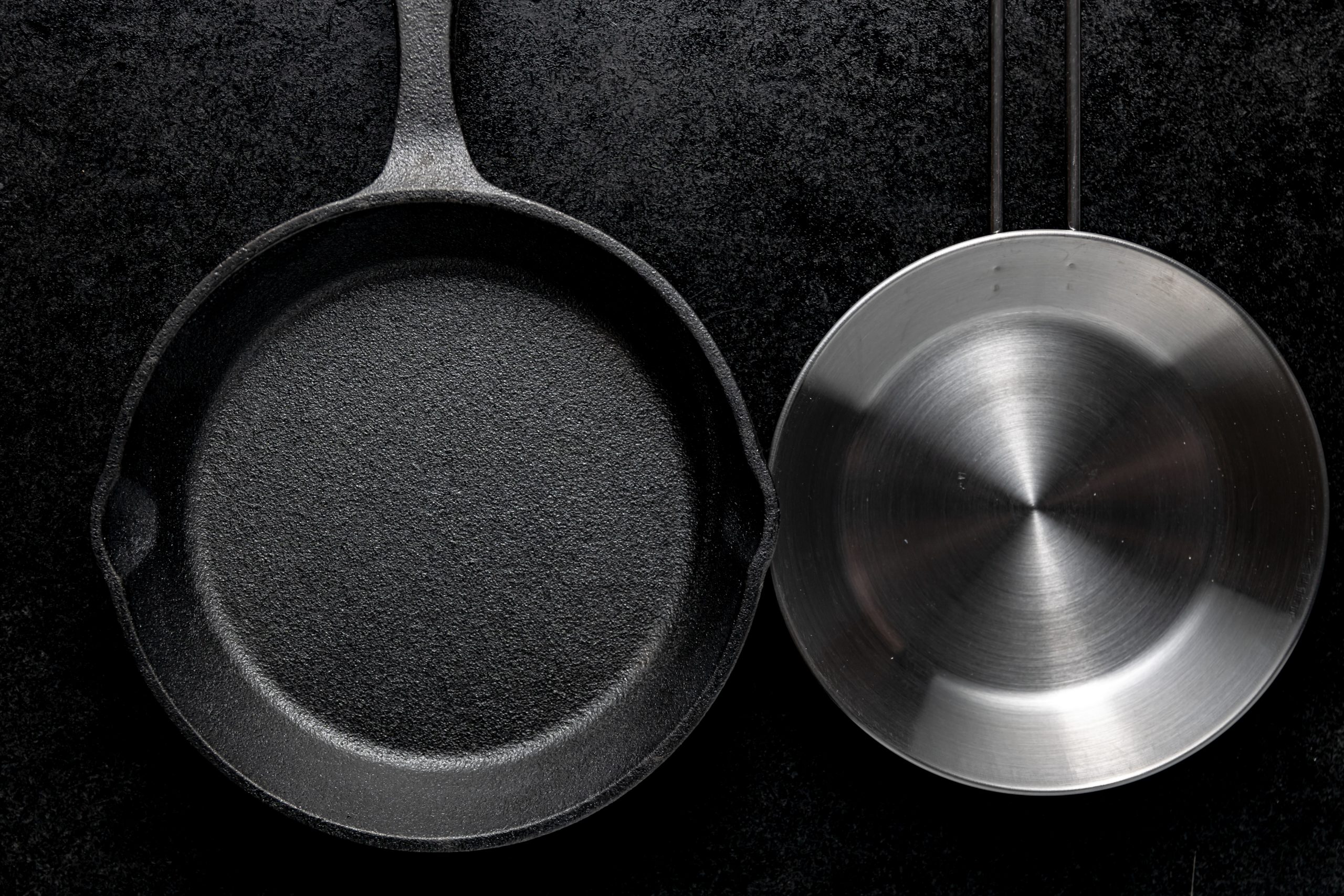

What Is Stainless Steel Cookware?
Stainless steel cookware includes stainless steel pots and pans that resist corrosion and staining. Unlike coated cookware, stainless steel relies on its bare metal surface. Many modern designs include an aluminium or copper core bonded within layers to improve heat responsiveness. This makes stainless steel a popular choice for cooks who value control and versatility across a wide range of recipes.
Stainless steel cookware is commonly used for boiling, sautéing, frying, simmering, and making sauces that need reduction. Its neutral surface does not react with acidic ingredients such as tomatoes or vinegar, helping preserve flavour integrity.
What Is Nonstick Cookware?
Nonstick cookware refers to nonstick pans and coated cookware designed to prevent food from sticking on the surface while cooking. The most common surfaces include PTFE and ceramic coatings, both applied over an aluminium base to improve heat conduction.
The main appeal of nonstick cookware lies in convenience. Eggs slide out easily, pancakes flip without effort, and cleaning often requires little more than a wipe. But nonstick coatings are surface treatments rather than solid materials. Over time, wear and tear can affect their performance, particularly when exposed to high heat or abrasive cleaning tools. Flaking coatings may release microscopic particles into food, and overheating damaged PTFE surfaces can emit fumes that are considered unsafe when inhaled. This is why scratched or deteriorating nonstick cookware is best replaced rather than continued in daily use.
Stainless Steel vs Nonstick: Key Differences Explained
At the heart of the difference between stainless steel and nonstick lies how food interacts with the cooking surface. This cookware comparison often comes down to heat behaviour, cooking technique, and long-term usage rather than convenience alone.
1. Cooking Performance and Heat Control
When it comes to high-heat cooking, stainless steel holds a clear advantage. It handles searing, browning, and sauteing with confidence, allowing food to develop flavour through caramelisation. Proper preheating creates a natural release effect, making sticking far less of an issue than commonly assumed.
Nonstick cookware, by contrast, performs best at moderate temperatures. While it provides even heat distribution for delicate foods such as eggs or crepes, excessive heat can degrade the coating. Temperature control is more forgiving for beginners, but less flexible for advanced cooking techniques.
2. Health and Safety Considerations
Concerns around safe cookware often influence buying decisions. Stainless steel is widely regarded as stable and safe for food contact. Nonstick cookware raises different questions. While reputable manufacturers comply with safety standards, chemical coatings can degrade if overheated or damaged. Ceramic coatings are often marketed as alternatives, though they also wear over time.
Those seeking non-toxic cookware often lean towards stainless steel for its simplicity and durability, while nonstick remains suitable when used within recommended temperature ranges.
3. Durability and Lifespan
Stainless steel consistently ranks high for long-lasting cookware. Its scratch resistance, structural strength, and ability to withstand high temperatures give it a lifespan measured in decades rather than years. Dents and cosmetic marks may appear, but performance remains largely unaffected.
Nonstick cookware has a shorter replacement cycle. Even with careful use, coating wear is inevitable. Scratches, peeling, or reduced nonstick performance often signal the end of the pan’s usable life.

4. Cleaning and Maintenance
Nonstick cookware is considered easier to wash and clean. Food residue rarely clings, and gentle washing usually restores the surface quickly. That said, dishwasher use can accelerate coating degradation.
Stainless steel requires a slightly different approach. Learning how to maintain stainless steel cookware involves managing heat correctly, avoiding sudden temperature changes, and addressing occasional residue buildup. Most stainless steel items are dishwasher safe, though handwashing helps preserve their finish.
5. Cost and Long-Term Value
In a typical cookware price comparison, nonstick cookware often appears cheaper upfront. Entry-level pans are widely available and accessible. Stainless steel, on the other hand, usually involves a higher initial spend.
When viewed through the lens of value-for-money cookware, stainless steel often proves more economical over time. Its durability reduces the need for frequent replacements, while nonstick pans may need replacing every few years, depending on usage.
6. Environmental Impact
From an environmental perspective, stainless steel aligns more closely with eco-friendly cookware ideals. Its high recyclability and long lifespan reduce waste. At the end of its life, stainless steel can be fully reclaimed through recycling.
Nonstick cookware presents challenges related to coating disposal. While aluminium bases are recyclable, damaged coatings complicate the process, often leading to landfill waste.
Pros and Cons of Stainless Steel Cookware
| Pros | Cons |
| Highly durable and long-lasting | Food can stick if heat is not managed properly |
| Suitable for multiple cooking methods | Slightly heavier than nonstick cookware |
| Handles high-heat cooking without damage | Requires practice to master temperature control |
| Does not react with acidic foods | Cleaning may take extra effort at first |
| Compatible with gas, induction, and oven use | Not naturally nonstick |
Pros and Cons of Nonstick Cookware
| Pros | Cons |
| Easy food release with minimal oil | Coating wears out over time |
| Quick and simple cleaning | Not suitable for high-heat cooking |
| Ideal for delicate foods | Can be scratched by metal utensils |
| Lightweight and easy to handle | Shorter lifespan compared to stainless steel |
| Beginner-friendly for everyday cooking | Needs careful use to avoid coating damage |

Common Myths About Stainless Steel Cookware
1. Myth: Stainless steel cookware always causes food to stick.
Fact: Food sticking usually happens due to incorrect heat control. Proper preheating and the right amount of oil create a natural release surface, making stainless steel cookware highly effective for everyday cooking.
2. Myth: Stainless steel reacts with food and alters taste.
Fact: High-quality food-grade stainless steel is non-reactive and does not affect flavour, colour, or nutritional value, even when cooking acidic ingredients like tomatoes or citrus-based dishes.
3. Myth: Stainless steel cookware is hard to clean and maintain.
Fact: Most residue can be removed with warm water, mild detergent, and simple cleaning techniques. Occasional discoloration is cosmetic and does not impact performance or safety.
Understanding these properties of stainless steel cookware vs nonstick helps move the conversation beyond marketing claims and towards practical use.
Stainless Steel or Nonstick, What Works Best for You?
So, which is better, nonstick or stainless steel, for everyday cooking? The answer depends less on trends and more on how you cook. If convenience, low-fat cooking, and quick cleanups dominate your routine, nonstick cookware fits naturally. If versatility, durability, and long-term value matter more, stainless steel stands out.
Rather than viewing stainless steel pans vs nonstick as a strict choice, many kitchens benefit from having both. Used thoughtfully, each serves a purpose.
Share:


