
Vacuum Degassing
What is Vacuum Degassing in Stainless Steelmaking?
Vacuum degassing is a crucial step in stainless steel production that removes dissolved gases like hydrogen, nitrogen, and oxygen. These gases can cause defects such as pinholes, weak spots, and surface flaws. Creating a vacuum allows the trapped gases to escape, producing cleaner, stronger, and more reliable steel.
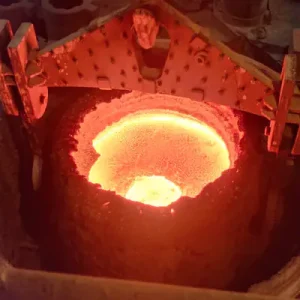
How Does a Vacuum Degasser Work?
This is how the vacuum degasser works:
- Molten steel is poured into a ladle or vacuum chamber.
- The system is sealed and connected to a vacuum pump to reduce pressure.
- Under low pressure, gases like hydrogen and nitrogen expand and are drawn out of the steel.
- In the VOD (Vacuum Oxygen Decarburization) method, oxygen is also blown in to reduce carbon content while degassing.
- Technologies like RH, DH, and VOD are chosen based on the required steel grade.
- The degassed steel is then ready for further refining or casting.
Importance of Vacuum Degassing in Stainless Steel Quality Control
Vacuum degassing plays a key role in refining the molten metal before it takes its final form. Here’s why this process is so important:
- Reduces gas-related defects: Removes dissolved gases like hydrogen, nitrogen, and oxygen that can cause blowholes, pinholes, or internal cracks.
- Improves weldability: Makes the stainless steel easier to weld without compromising joint strength or finish.
- Ensures better surface finish: Helps achieve a cleaner, smoother surface with fewer imperfections.
- Supports quality standards: Manufacturers like Jindal Stainless adopt vacuum degassing to meet both domestic and international quality requirements, ensuring that the stainless steel performs well even under demanding conditions.